

Why Abolition?
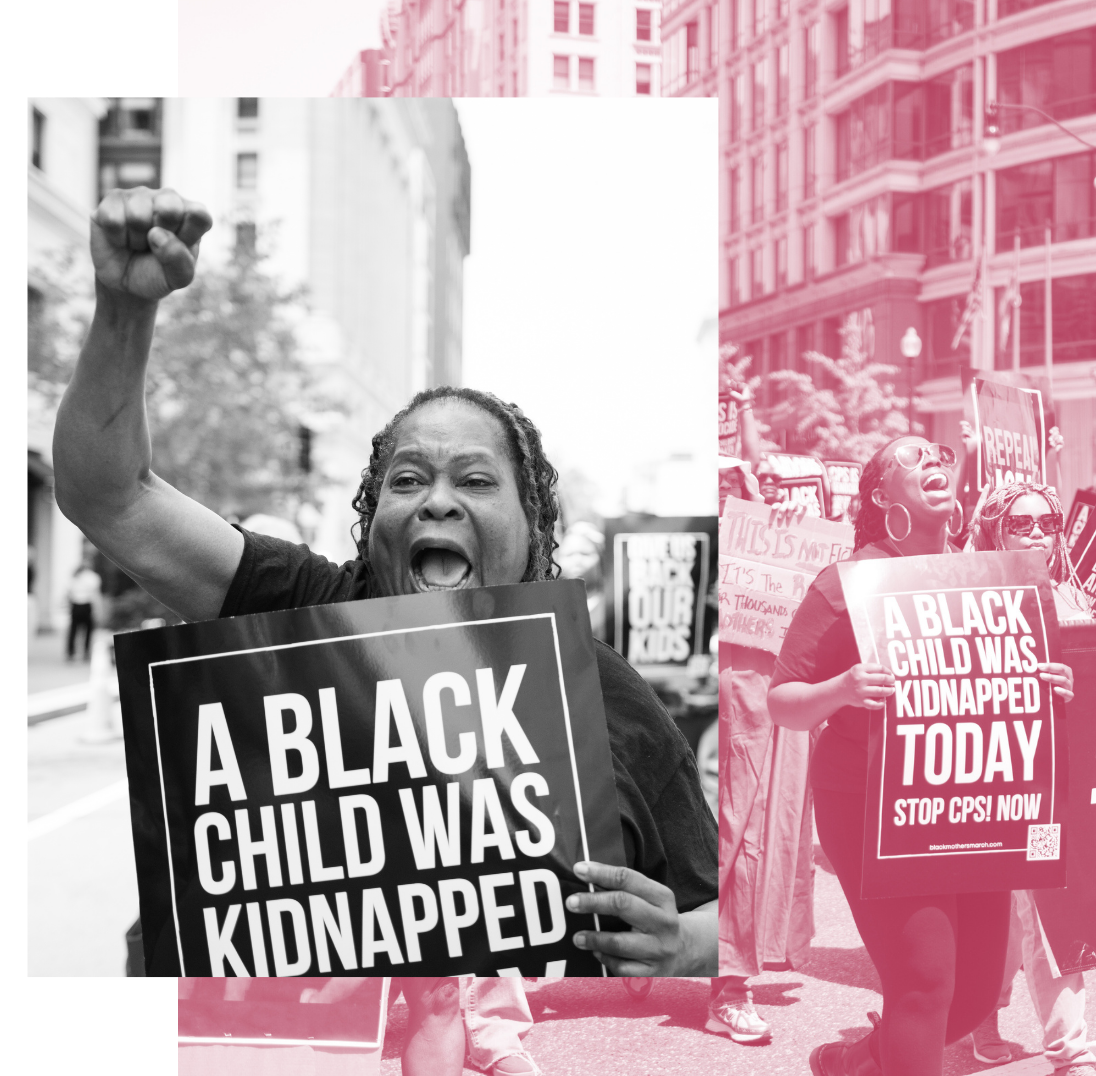
The family policing system is, at its core, a carceral system.
By portraying Black and marginalized people as “unfit” to parent and “undeserving” of support, the family policing (“child welfare”) system diverts attention away from structural harms to children—poverty, racism, and state violence—to legitimize the systematic separation of families and mass surveillance of pregnant and parenting people.
These narratives are not new; it is the same propaganda used to justify family separation during chattel slavery.

Language Matters
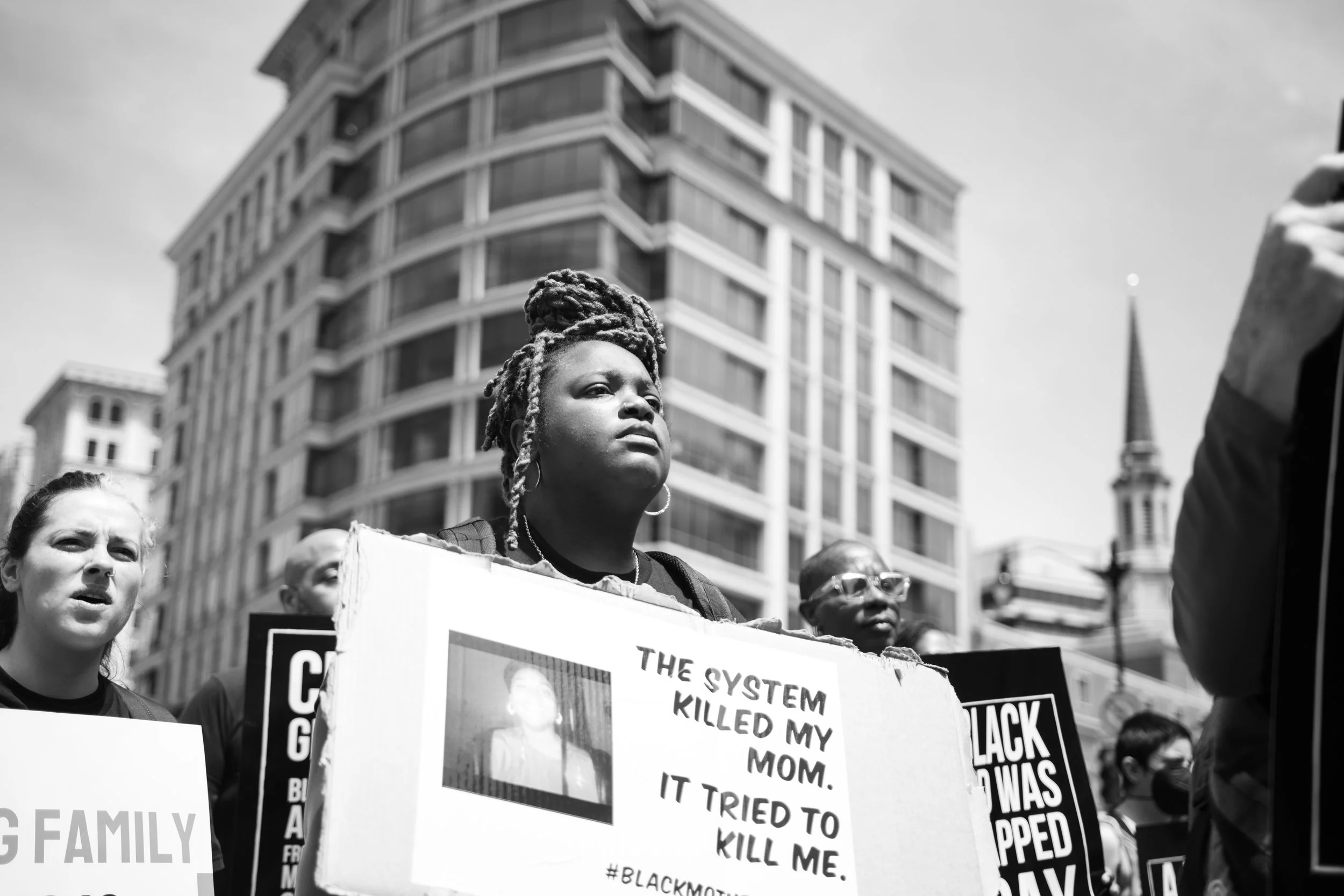
The so-called “child welfare” system operates to punish parents and families, not to advance child well-being. In fact, children are at greater risk of harm while in the state’s “care.” Following the lead of impacted families and organizers, we reject the terms “child protection” and “child welfare” and instead refer to this system as the “family policing” system.
1 in 2
Black children will experience a family policing investigation.
1 in 10
Black children will experience family separation.
1 in 41
Black children will experience the termination of parental rights.
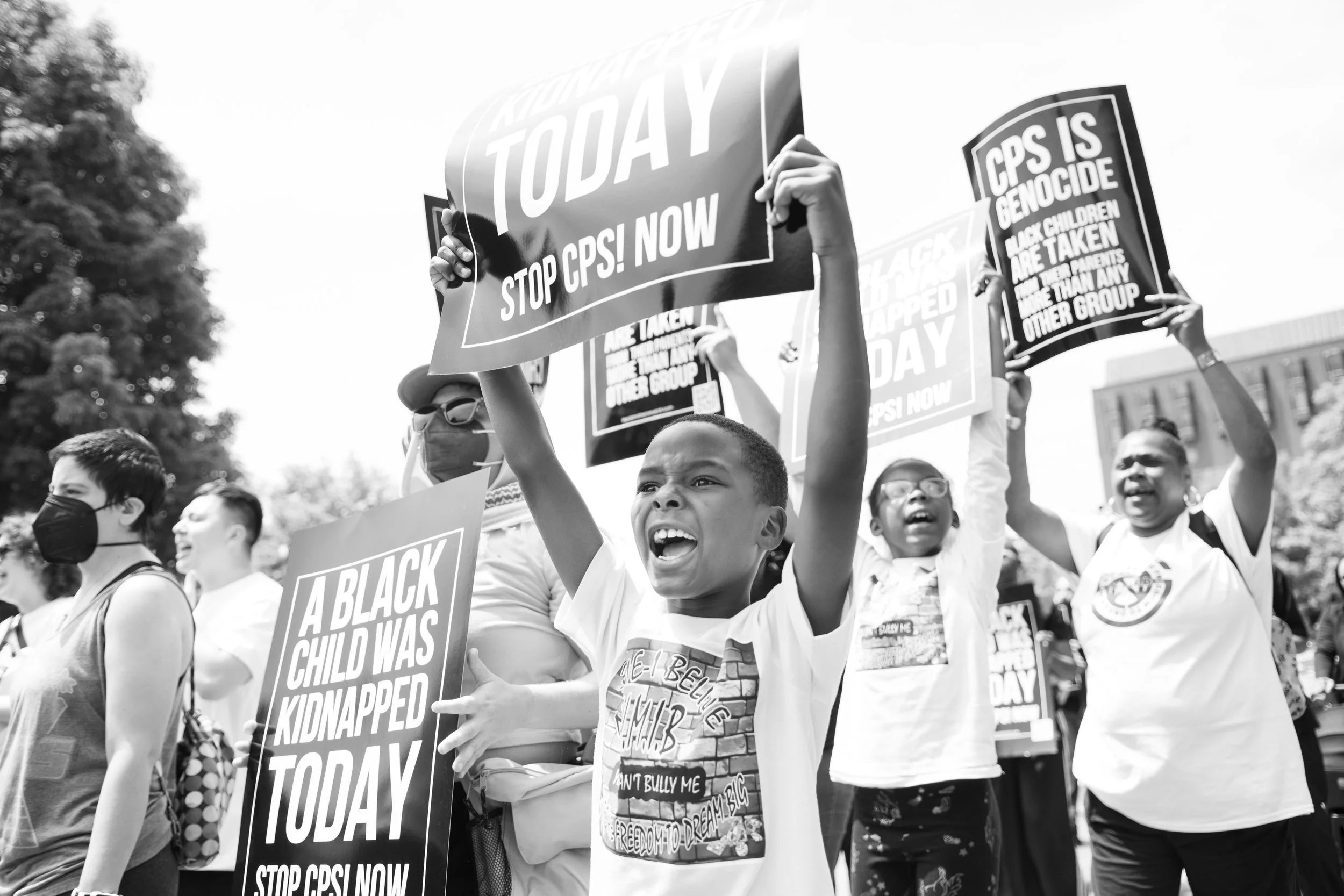
Today, the vast majority of families are reported to the family policing system because symptoms of structural racism and poverty—housing instability, unmet medical or mental health needs, lack of accessible childcare–are seen as individual failings and labeled as child maltreatment. By design, families are threatened with forced separation and are not provided with the resources they may need.
Imagine if the trillions of dollars spent on family policing were redirected to ensuring that every family had what they need to thrive.
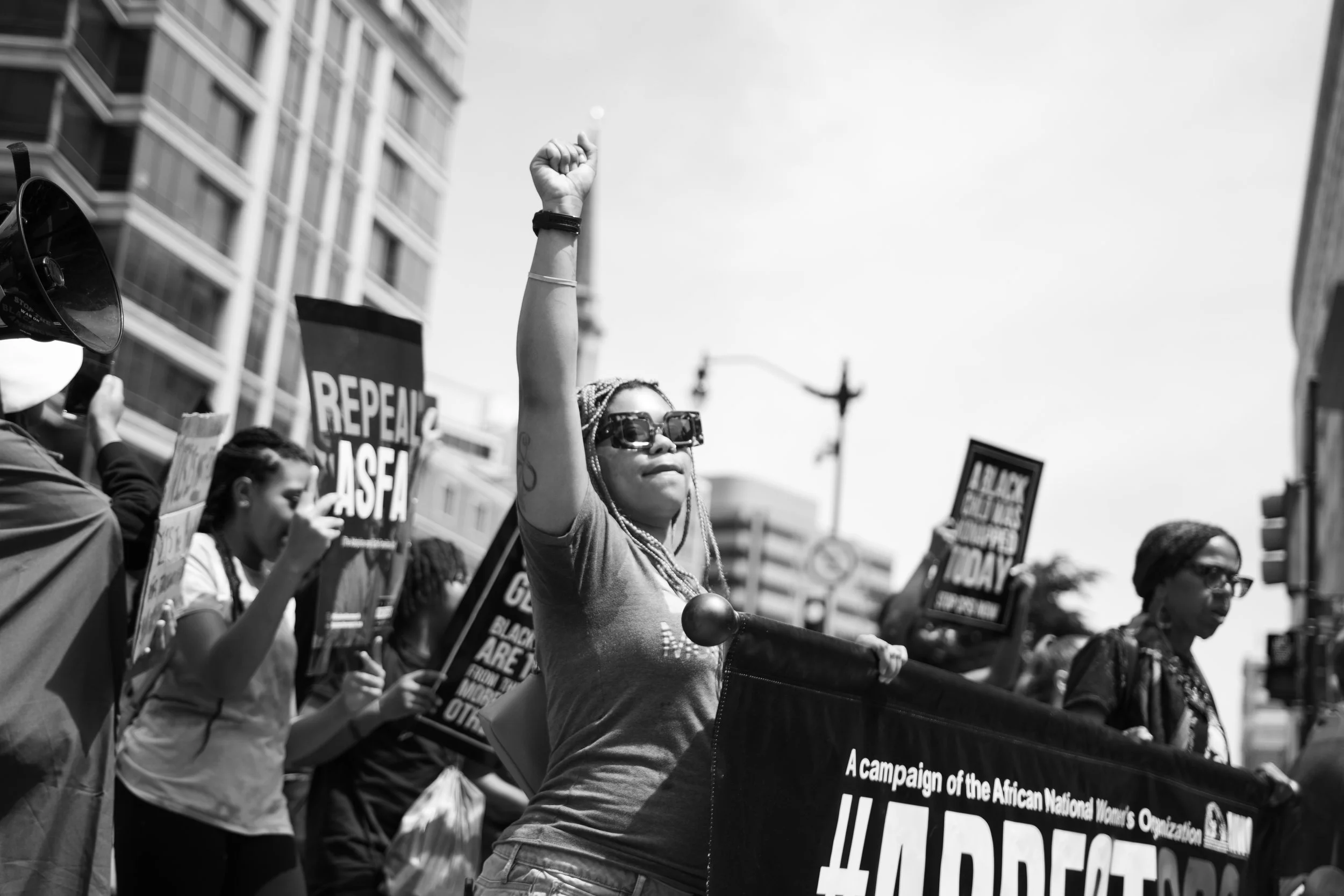
When harm does happen within families, the family policing system still does not make families safer. Instead, the system compounds harm. It traumatizes children and parents with invasive investigations and forced family separation, inflicts violence on children through myriad abuses in the foster system, and punishes parents with arduous, expensive tasks in the quest to reunify with their children.

Abolition is more than dismantling harmful systems. It is building the world we deserve.
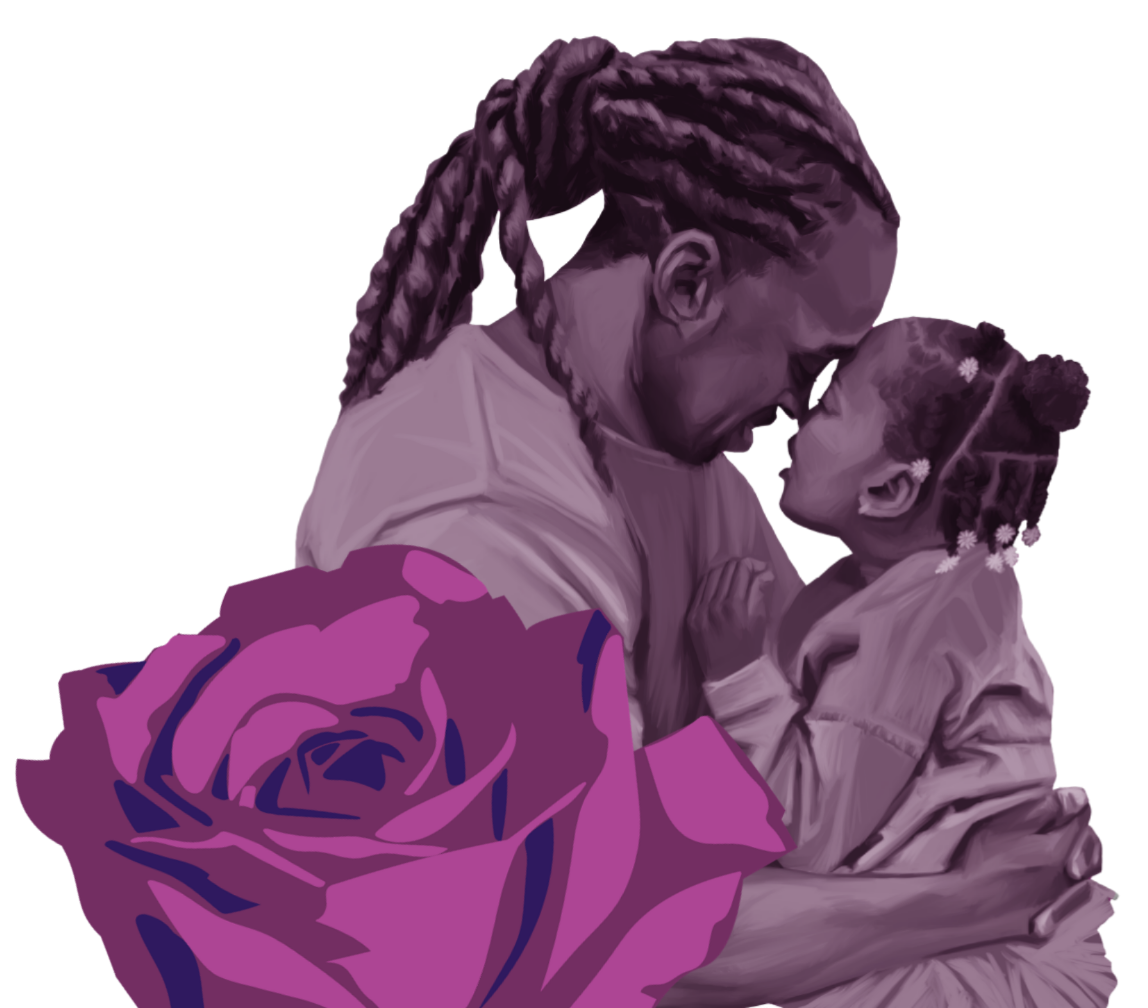
Abolition is a framework and practice to reimagine how we support families and respond to harm.
In an abolitionist world, we protect children by ensuring their parents have access to the life-sustaining resources that truly keep families safe. This includes permanent housing, culturally competent and non-compulsory medical health services, voluntary substance use treatment programs rooted in harm reduction praxis, education and gainful employment, and affordable child and respite care.
And still, abolition is not a denial of the reality that harm does and will happen. It is a collective commitment to responding differently: building the skills, strategies, and practices of accountability to prevent and address harm without systems of policing and punishment.